
Seth Earley
Seth Earley
Founder & CEO
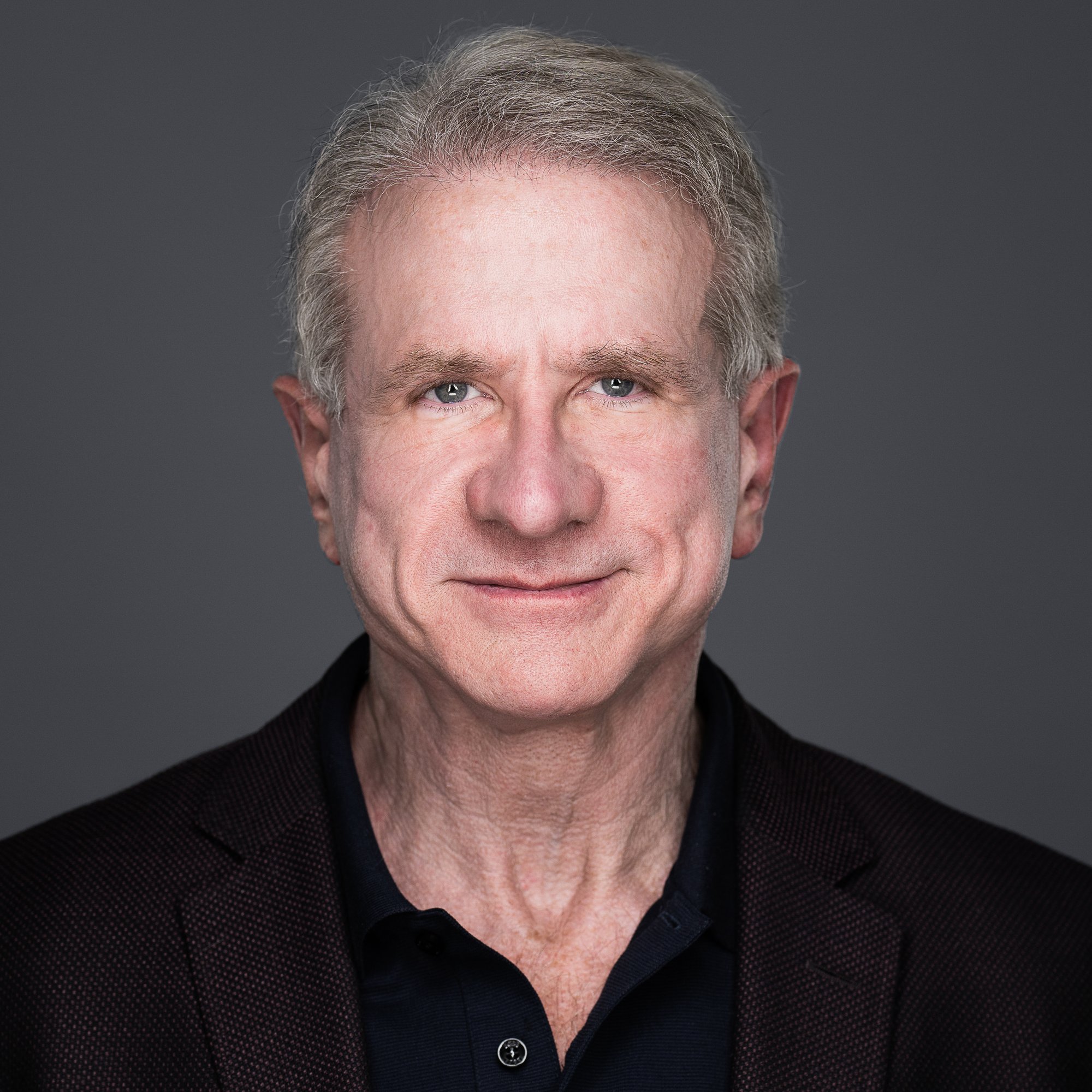
Seth Earley is a globally recognized expert in knowledge strategy, enterprise data architecture, and information findability and a candid voice on why most AI initiatives fail.
As Founder and CEO of Earley Information Science, Seth has spent over 25 years helping Fortune 1000 organizations fix the information chaos that undermines digital transformation. His mantra, “There is no AI without IA,” underscores his belief that the success of any AI system hinges on the quality and structure of the data behind it.
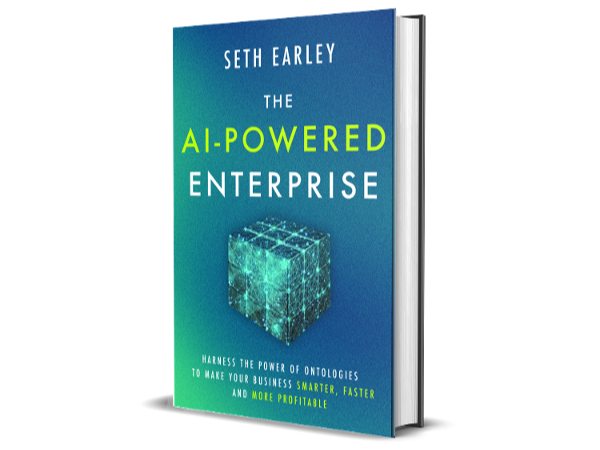
Seth is the author of The AI-Powered Enterprise, an award-winning guide to using ontologies and knowledge engineering to scale intelligent systems. His work bridges the gap between business strategy and the often-overlooked disciplines of taxonomy, metadata, and content modeling.
Whether advising CDOs, guiding chatbot architecture, or rescuing underperforming search platforms, Seth brings a pragmatic, systems-first approach to digital innovation. His insights continue to shape how enterprises deliver better customer experiences, operational efficiency, and AI readiness—by getting their knowledge house in order.
Expertise
AI Won’t Save You: Why Most Enterprises Fail with Large Language Models (And How You Can Win)
Digital Transformation is Dead: The New Playbook for AI-Driven Business Growth
Knowledge is Your Secret Weapon: The Hidden Key to AI Success No One Talks About
Author
Seth is the author of The AI-Powered Enterprise.
Seth is a sought-after speaker, author, and influencer. Seth's writing has appeared in IT Professional Magazine from the IEEE—where, as a former editor, he wrote a regular column on data analytics and information access issues and trends—and many other technical journals and magazines.
Thought Leader
Seth has contributed to the Harvard Business Review, CMSWire, CEOWorld, TechTarget, eCommerce Times, Analytics Magazine. Journal of Applied Marketing Analytics, and he co-authored “Practical Knowledge Management” from IBM Press.
In 2024, Seth was Recognized by Thinkers 360 as one of the Top 50 Global Thought Leaders on Generative AI 2024.
Speaker
Seth loves meeting people and sharing his expertise about AI, IA, and how enterprises can make the most of their AI initiatives.
Stop by and introduce yourself if you're at one of these events.